
Now Reading: Inside the Newsroom: The Most Fascinating Moments Behind the Studio Cameras
-
01
Inside the Newsroom: The Most Fascinating Moments Behind the Studio Cameras

For viewers, a news broadcast looks calm, controlled, and perfectly timed. Anchors speak confidently, graphics appear seamlessly, and breaking news feels instantaneous. But behind the cameras, the newsroom is one of the most intense and unpredictable environments in modern media. What happens inside a news studio often tells a far more dramatic story than what reaches the screen.
The Seconds Before Going Live
Few moments are more intense than the final countdown before a broadcast begins. Producers issue last-minute instructions, anchors adjust scripts, and directors coordinate cameras and lighting. In these seconds, silence mixes with urgency. Any mistake must be corrected instantly — there is no pause button in live television.
Even experienced journalists describe this moment as a controlled rush of adrenaline.
Breaking News Chaos
When breaking news hits, the entire studio transforms. Planned segments are dropped, scripts are rewritten in real time, and producers race to verify information before it goes live. Anchors often receive updates through earpieces while already on air, forcing them to adapt their delivery mid-sentence.
This controlled chaos is where professionalism truly shows — viewers see calm faces, while behind the scenes everything moves at maximum speed.
The Power of the Control Room
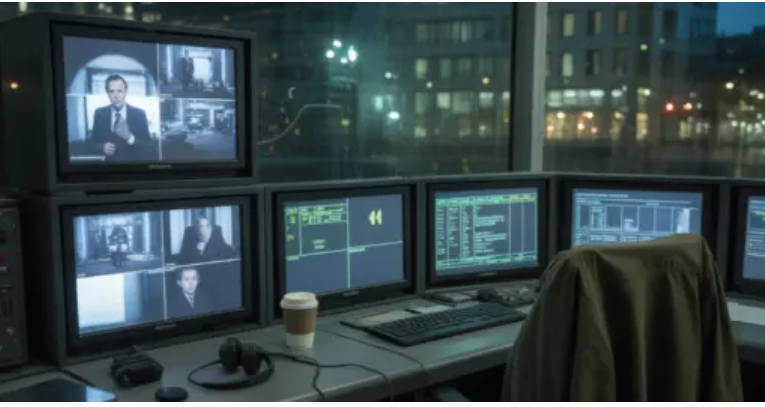
The real nerve center of any news broadcast is the control room. Directors switch between cameras, producers manage timing, and editors cue videos within seconds. A single broadcast can involve dozens of people working in perfect synchronization.
One wrong cue or delayed graphic can disrupt the entire flow — making teamwork essential.
Unscripted On-Air Moments
Despite preparation, unexpected moments still happen. Microphones remain on, teleprompters freeze, or live feeds suddenly cut out. Some of the most memorable moments in broadcast history came from these unscripted situations, revealing the human side of journalism.
Anchors are trained not just to read news, but to recover gracefully when things go wrong.
Technology That Never Sleeps
Modern news studios rely heavily on advanced technology: real-time data feeds, augmented reality graphics, automated cameras, and instant global connections. Behind every smooth visual is a complex system monitored continuously by technical teams.
A single technical failure can force an entire broadcast to improvise within seconds.
Emotional Pressure and Responsibility
Newsrooms are not just fast-paced — they are emotionally demanding. Journalists often cover wars, disasters, political crises, and economic shocks. Delivering difficult news while maintaining composure is part of the job, but the emotional toll is real.
Behind the scenes, moments of silence often follow heavy stories.
Why News Studios Matter More Than Ever
In an era of misinformation and viral rumors, professional news studios remain a critical source of verified information. The intensity, discipline, and responsibility inside these studios help ensure accuracy when it matters most.
What looks effortless on screen is the result of pressure, preparation, and teamwork behind it.
Conclusion
The news studio is a place where seconds matter, decisions carry weight, and mistakes happen in front of millions. Behind the polished broadcasts lies a world of tension, coordination, and human emotion — a reminder that real journalism happens far beyond what the camera shows.